Straight fine hair has two separate traits, and the best haircut deals with both. Fine means each strand is thin. Straight means the hair falls flat without natural bend to create volume. A good cut does not try to change either trait — it creates the illusion of fullness by keeping the ends solid, adding movement where it counts, and avoiding weight that drags the hair down.
The rule is simple: keep weight at the ends, add lift at the crown, and be careful with layers. Too many short layers can make fine hair look thinner, not fuller. The cuts below get that balance right.
First, Fine Hair vs Thin Hair
Fine and thin are often used as if they mean the same thing, but they do not. Fine describes the thickness of each strand. Thin describes how much hair you have overall. You can have fine hair that is dense, or coarse hair that is thinning.
Why does it matter? Because the fix is different. Fine, dense hair usually needs shape and movement. Truly thin hair needs maximum fullness at the ends. If you are not sure which one you have, our guide to haircuts for thin hair explains the volume-first approach that works when density is the main issue.
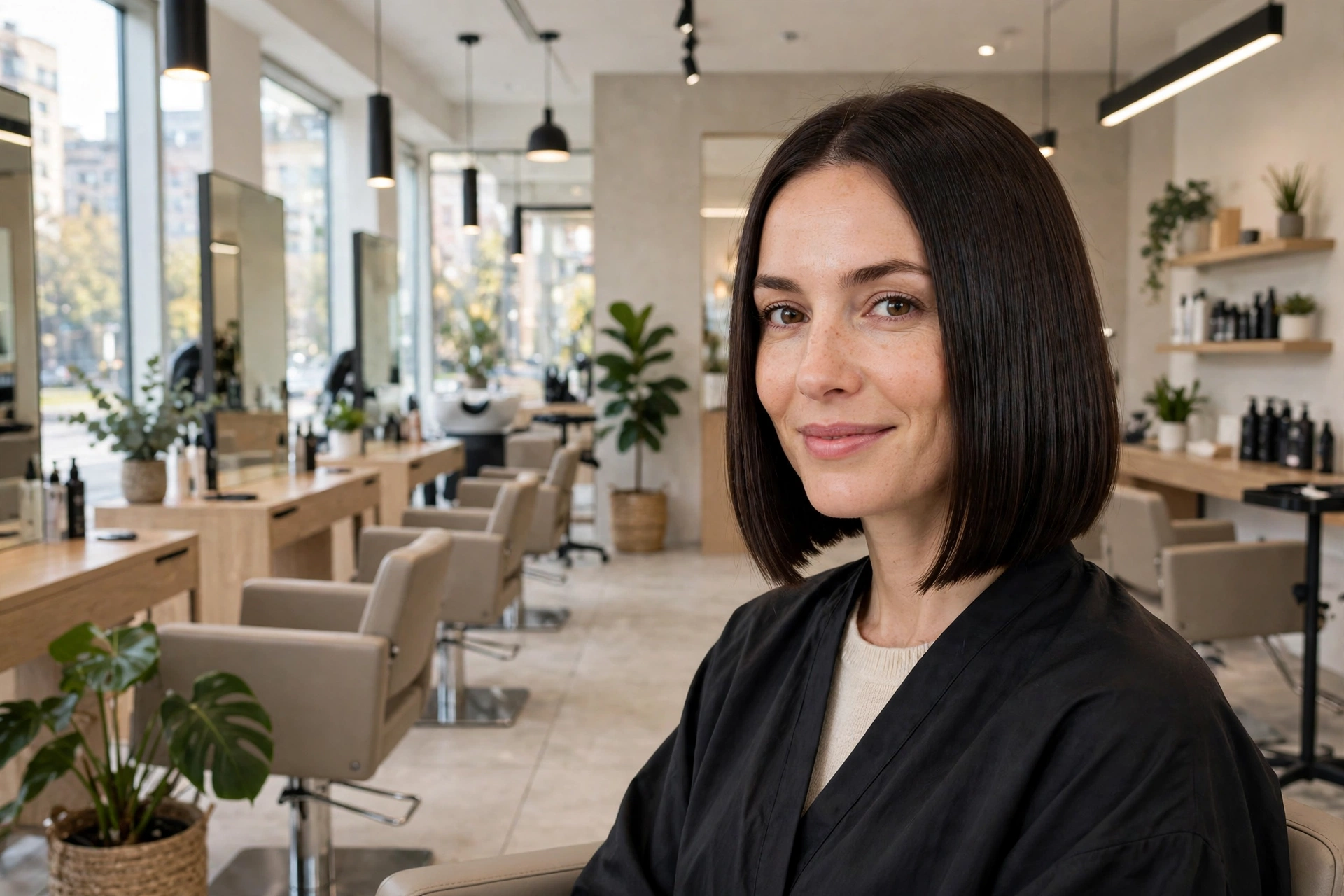
1. The Blunt Bob: The Fullest Short Cut
A blunt bob, cut to one length with no layers, is the most reliable haircut for straight fine hair. Because every strand ends at the same line, the perimeter looks thick and solid. That solid line is what the eye reads as fullness.
Ask for a bob that sits at the jaw or chin, with a clean, straight-across perimeter. A bob that is too long loses the effect, because the weight pulls the hair flat again. A bob with heavy texturizing at the ends also loses it — ask your stylist to keep texturizing light, or skip it entirely.
Style it straight for a sleek finish, or tuck one side behind the ear for soft asymmetry. A blunt bob also grows out well for the first few weeks, because the line stays visible even as it lengthens.
2. The Lob: Length Without Losing Fullness
If you do not want to go short, a lob — a long bob that sits around the collarbone — is the best longer option for straight fine hair. It keeps enough length to tie back, while the perimeter is still short enough to look full.
Ask for a lob with a mostly blunt perimeter and only light, long layers underneath to remove a little bulk. Avoid short, choppy layers on top, which can make the ends look wispy. Our lob haircut guide covers lengths and face shapes in more detail if you are deciding between a bob and a lob.
A lob works especially well with a deep side part, which adds instant lift at the crown. Flip the part to the opposite side on second-day hair for a quick volume refresh.
3. Soft Layers With Face Framing
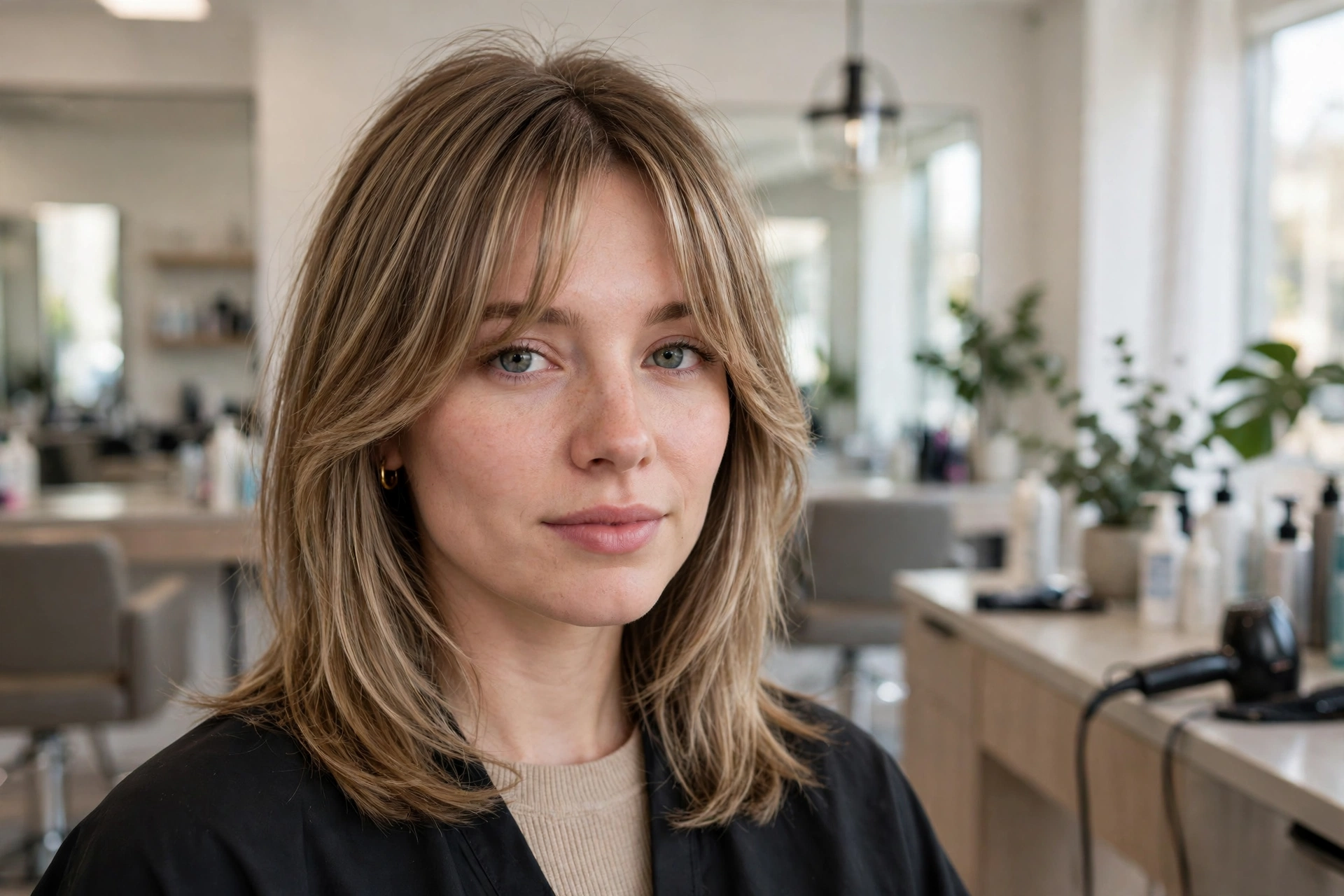
Layers are not off limits for fine straight hair — they just need to be long and soft. Long layers starting at the chin or collarbone add movement without removing the weight at the ends. Face-framing pieces around the cheekbones open up the face and stop the cut from looking like a flat curtain.
The key phrase at the salon is “long, blended layers, keeping the ends full.” If layers are cut too short, they shrink the perimeter and make fine hair look thinner. For a clear comparison of when long layers beat short ones, see our long layers vs short layers guide.
Soft layers suit women who want to keep their length but hate the heavy, one-length feeling. They also pair well with curtain bangs, which add width around the face without a full fringe commitment.
4. The Textured Pixie: Short, With Built-In Lift
A pixie is a bold choice, but it can be excellent for straight fine hair. Shorter hair has less weight pulling it down, so the crown lifts naturally. Ask for a pixie with longer pieces on top and soft texture, not a close-cropped cut that shows the scalp.
The advantage is styling speed: a pixie air dries quickly and needs only a small amount of texturizing product. The trade-off is maintenance — pixies need a trim every 4 to 6 weeks to keep their shape, compared with 8 to 12 weeks for a bob or lob.
5. Bangs That Add Width, Not Weight
Bangs can help straight fine hair, if they are the right type. Curtain bangs, parted in the middle and falling to cheekbone length, add width around the face and blend into layers. Side-swept bangs add a similar effect with a softer, asymmetrical line.
Be careful with heavy, straight-across bangs. On fine hair, a thick fringe can look sparse rather than full, and it needs frequent trims to stay neat. Wispy bangs are a safer version of the same idea — they give movement without demanding density the hair does not have.
Styling Tricks That Make the Cut Work
The right cut does most of the work, but styling finishes it. Use lightweight products only — a volumizing mousse or root spray at the roots, and almost nothing on the ends. Heavy oils and thick creams flatten fine hair within hours.
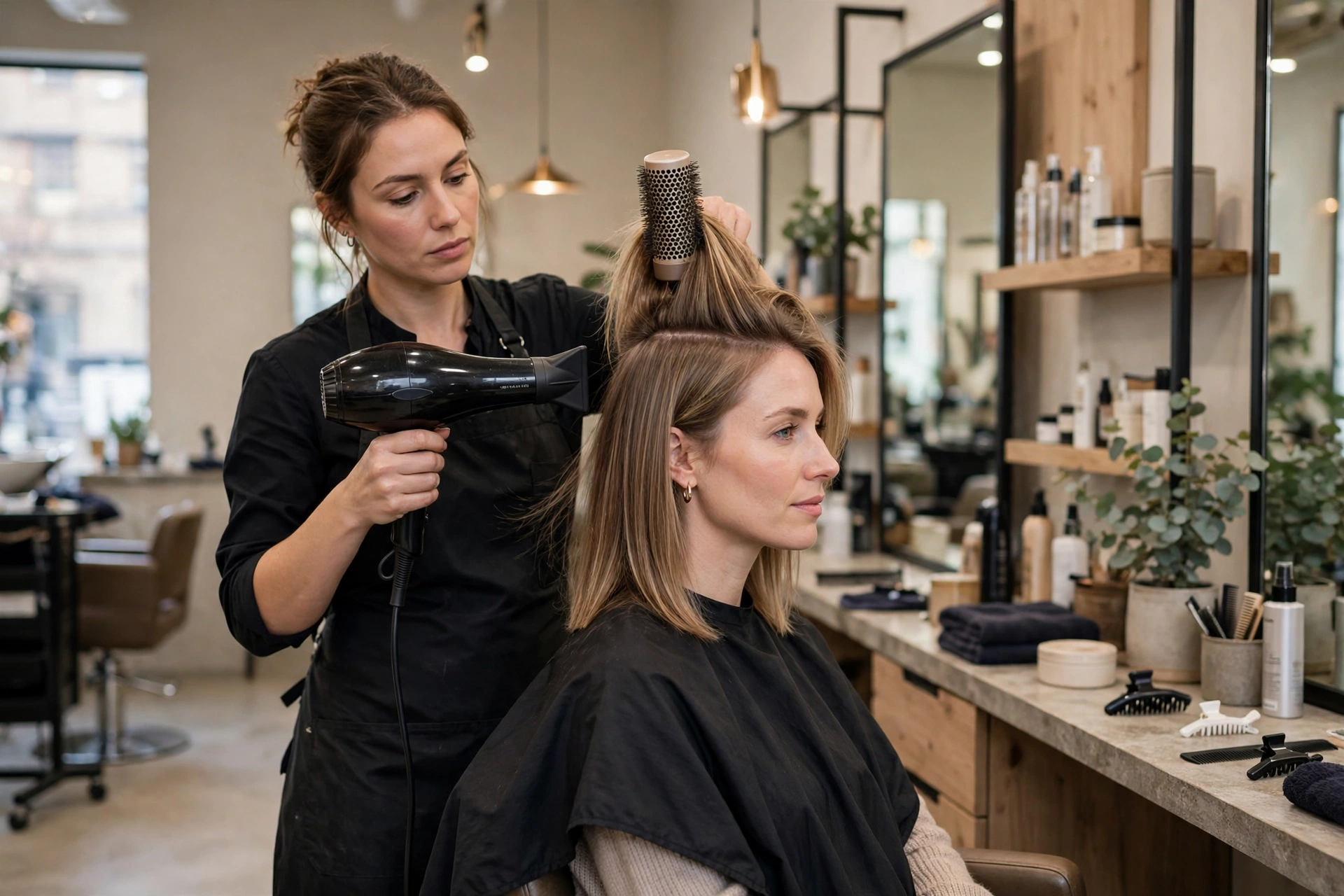
Blow dry with your head upside down for the first minute, then finish with a round brush, lifting at the roots. If you air dry, apply mousse to damp hair and avoid touching it while it dries, which breaks up the lift.
Sleep on silk or satin to reduce overnight flattening, and refresh second-day hair with dry shampoo at the roots rather than washing daily. Washing fine hair too often can strip it and make it look limper, not cleaner.
If your hair has even a slight wave, some of these rules change — our guide to the best haircuts for wavy hair covers cuts that work with natural movement instead of against it.
Cuts to Be Careful With
Avoid one-length hair past the shoulders with no layers at all. Very long, unlayered fine hair looks stringy at the ends and flat at the crown — the worst of both worlds.
Avoid heavy thinning or razor cutting through the ends. Thinning shears remove the very density fine hair needs to look full, and the effect is hard to grow out.
Avoid very short layers on top. They can stick up, look frizzy on straight hair, and leave the perimeter too thin to hold a shape.
What to Ask Your Stylist
Use this script and adjust it to your pick:
“I have straight fine hair that falls flat by midday. I want a [blunt bob / lob / long layered cut] that looks fuller. Please keep the perimeter solid, keep layers long and blended, and do not thin out the ends. I mostly [air dry / blow dry] my hair, so please cut it for that routine.”
Mention how you actually style your hair day to day. A cut designed for daily blow-drying is different from one designed for wash-and-go mornings, and your stylist should know which one you live with.
FAQ
Q: What is the best haircut for straight fine hair? A: A blunt bob is the safest choice for fullness, and a lob is the best longer option. Both keep the ends solid, which is what makes fine hair look thicker.
Q: Do layers make fine hair look thinner? A: Short, choppy layers can, because they remove weight from the ends. Long, blended layers do the opposite — they add movement while keeping the perimeter full.
Q: How often should straight fine hair be trimmed? A: Every 8 to 12 weeks for bobs and lobs, and every 4 to 6 weeks for pixies or cuts with bangs. Regular trims keep the ends solid instead of wispy.
Q: Can straight fine hair hold a style all day? A: Yes, with lightweight root products and a blow dry that lifts at the crown. Avoid heavy oils and creams, which weigh fine hair down within hours.
Final Verdict
The best haircut for straight fine hair is the one that protects the ends and adds lift where it matters. A blunt bob gives the fullest finish, a lob keeps length without losing fullness, and long, soft layers add movement without thinning the cut. Whichever you choose, keep products light, keep the perimeter solid, and let the cut — not heavy styling — do the volume work.