
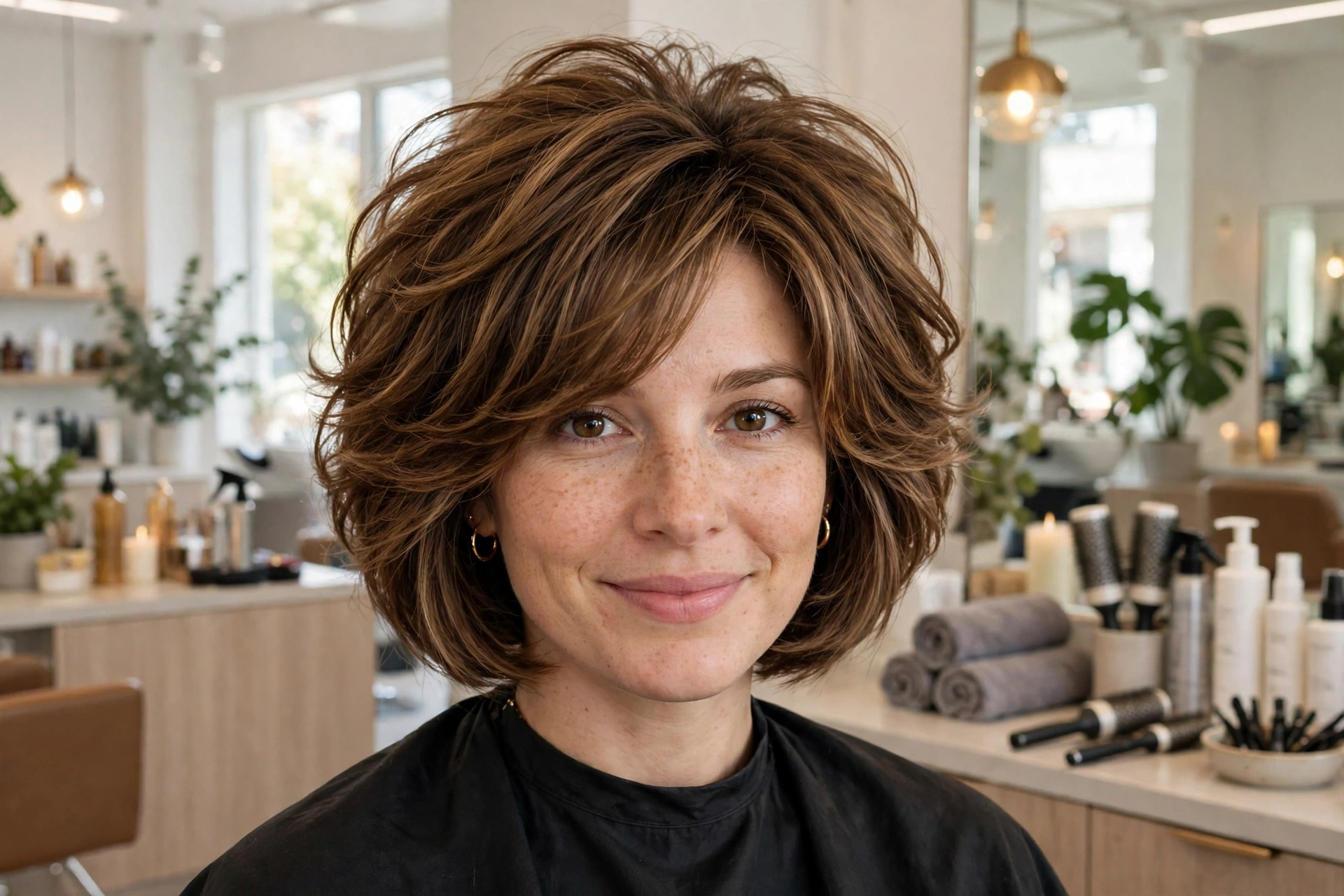
Thin hair is not a problem to fix. It is a hair type with its own strengths: it dries fast, it styles easily, and it can look sleek and polished with very little effort. The challenge is volume. Because each strand is fine and light, long, one-length hair can hang flat, and heavy products can drag it down further. The right haircut changes that. It removes weight where it hurts, builds shape where it helps, and makes styling easier, not harder.
Last updated: October 27, 2026.
Key Takeaways
- Shorter lengths and layers at the crown create more volume than length alone.
- Blunt ends make thin hair look thicker; wispy, over-layered ends make it look thinner.
- Lightweight products and root lift matter more than any single haircut.
- A trim every 6 to 8 weeks keeps the shape and the volume intact.
Thin vs Fine: A Quick Difference
Thin hair and fine hair are often used as if they mean the same thing, but they are different. Fine refers to the thickness of each strand. Thin refers to how much hair you have overall, or how dense it looks. You can have fine hair that is dense, or coarse hair that is thinning. Many women have both fine and thin hair, and the advice here works for both, but the cut matters most when density is low. If your ponytail feels small, your scalp shows through at the part, or your ends look see-through, you are dealing with low density. The goal is not to pretend you have thick hair. It is to choose a shape that makes the hair you have look its fullest.
The Best Haircuts for Thin Hair
1. The Layered Bob: A layered bob, cut at chin length or just above the shoulders, is the most reliable volume cut for thin hair. Short layers at the crown lift the roots, while the shorter overall length stops the hair from dragging itself flat. Ask for soft layers, not choppy, disconnected ones, and keep the ends fairly solid. A classic bob with added layers is a good starting point if you are unsure.
2. The Blunt Bob: If your ends look see-through, go blunt. A one-length bob, cut at chin length, makes every strand end at the same place, so the perimeter reads as one thick line. It is simple, polished, and easy to style. The trade-off is less movement, so ask for a slight inward curve at the ends, or a few hidden internal layers, to keep it from looking stiff.
3. The Lob With Internal Layers: If you do not want to go short, a lob, or long bob, is your best longer option. Keep it at or above shoulder length, and ask for internal layers: layers cut underneath, not on the surface. They push volume up from below without creating wispy surface pieces. Our lob guide explains the length and shape in detail, and it pairs well with face-framing layers at the cheekbones.
4. The Layered Pixie: A pixie is the fastest way to get volume, because short hair weighs almost nothing and the roots can stand up. Keep the top longer and the sides neat, and ask for piecey, textured layers on top. It is a bold change, but it is also low-maintenance and very flattering on fine hair. If a full pixie feels too brave, a pixie bob, or bixie, gives you a softer step toward short hair.
5. Long Layers, Done Carefully: Long hair can work for thin hair, but only with the right layers. Ask for long layers starting at the cheekbones, not short layers all over, which can make the ends look thinner. Keep the perimeter fairly blunt, and avoid razored, wispy ends. If your hair is past your shoulders and flat, cutting a few inches off will usually do more for volume than any product.
What to Ask Your Stylist
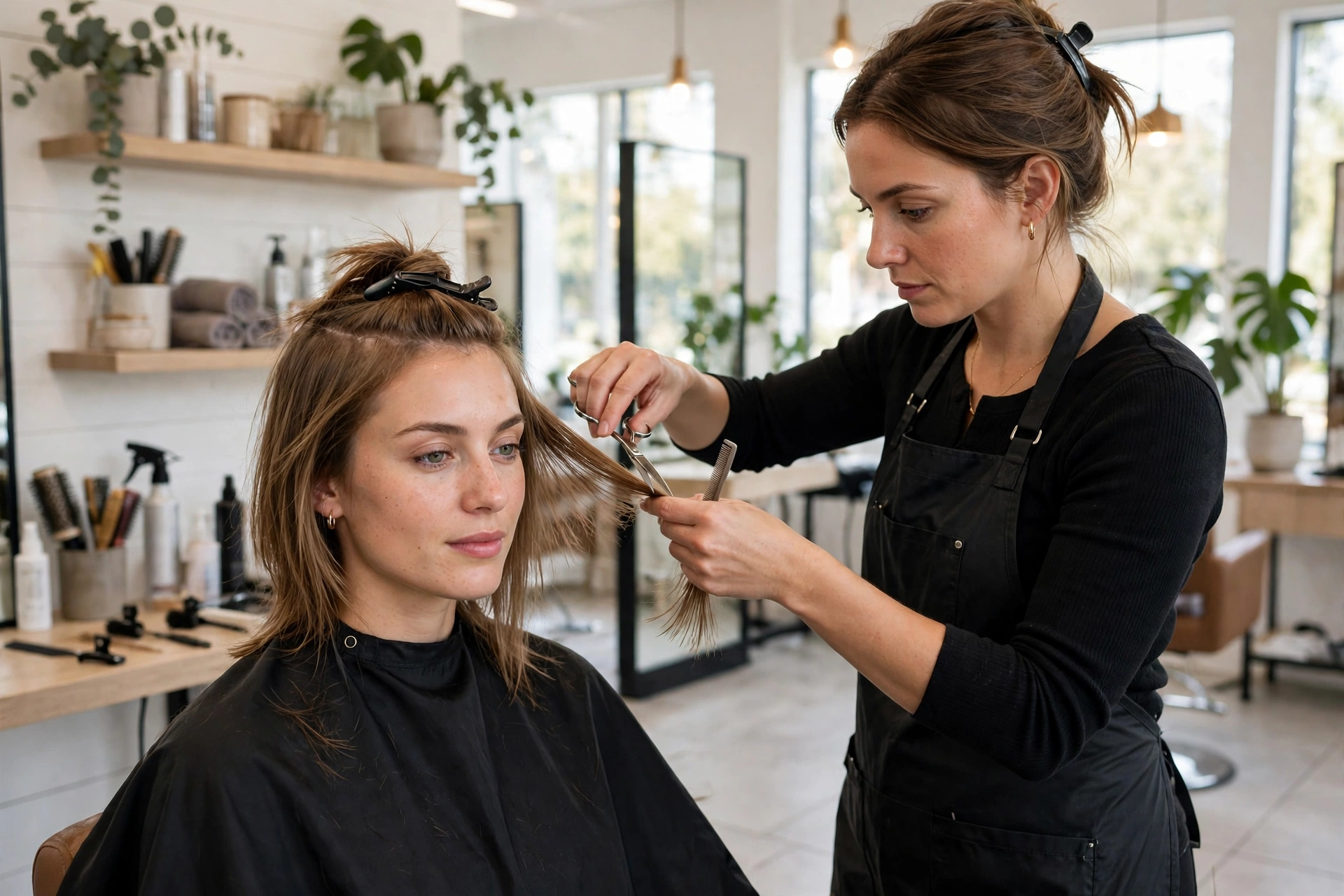
Bring photos of hair that looks like yours, not just hair you wish you had. A photo of thick, wavy hair will not help your stylist plan a cut for fine, straight hair. Say what bothers you most: flat roots, see-through ends, or no shape at all. Then use clear language. Try this: “I have thin, fine hair and I want more volume. I would like a layered bob at chin length, with layers at the crown for lift, but I want to keep the ends fairly blunt so they do not look wispy.” Also ask about your part. A deep side part can add instant volume at the crown, while a center part can make thin hair look flatter. Your stylist can cut the layers to suit the part you actually wear. And ask how the cut will grow out. A good volume cut should still look decent at week six, not just on day one. For more on layer lengths, our comparison of long layers vs short layers explains when each one helps and when it hurts thin hair.
How to Style Thin Hair for Volume
The cut does the lifting, and styling holds it. Start with damp hair and a lightweight volumizing mousse at the roots only. Heavy creams, oils, and thick pomades flatten fine hair fast, so use less product than you think you need. Blow-dry with a round brush, lifting each section at the roots and using the cool shot to set it. Drying upside down also works for a quick lift, but finish with a round brush for a smoother shape. A dry texturizing spray at the crown, applied after drying, adds grip and hold without weight. Dry shampoo at the roots on day two absorbs oil and adds texture, which is why many women with thin hair use it even on clean hair. Avoid flat-ironing the roots, which presses volume out, and avoid brushing dry hair with a paddle brush, which can flatten the shape. A wide-tooth comb or your fingers keep the lift better.

What to Avoid With Thin Hair
Avoid very long, one-length hair if volume is your goal, because the weight pulls the roots flat. Avoid heavy layering through the ends, which creates wispy, see-through pieces. Avoid thick oils and heavy styling creams at the roots. Avoid tight, slicked-back styles every day, which show the scalp and flatten the crown. And avoid skipping trims. Thin hair shows split, wispy ends faster than thick hair, and a trim every 6 to 8 weeks keeps the perimeter looking solid. If you color your hair, ask your stylist about subtle dimension. A few face-framing highlights, or a slightly lighter tone through the top layers, can make hair look thicker because light catches more surfaces. Solid, very dark color on thin hair can sometimes make the scalp show more, so dimension usually helps.
Cost and Upkeep in the US
In the US, a typical women’s cut for these styles runs about $40 to $90 at most salons, with higher prices in large cities and for senior stylists. A trim every 6 to 8 weeks keeps the volume cut working. Tipping 15 to 20 percent is standard at most US salons. If you are trying a new stylist, book a consultation first, or ask for a shorter version of the cut you want, so you can build trust before a big change.
Final Verdict
The best haircuts for thin hair are not about hiding your hair type. They are about working with it: shorter lengths, crown layers, blunt ends, and lightweight styling. A layered bob is the safest first choice, a blunt bob is best for see-through ends, and a lob with internal layers is best if you want to keep length. Tell your stylist what bothers you most, bring photos of similar hair, and keep the products light. Volume that lasts starts with the cut, not the bottle.
FAQ
What is the best haircut for thin hair?
A layered bob at chin length or just above the shoulders is the most reliable choice. It lifts the roots, keeps the ends solid, and is easy to style every day.
Should thin hair be layered or blunt?
Both, in different places. Layers at the crown add lift, while a fairly blunt perimeter keeps the ends looking thick. Over-layered ends make thin hair look thinner.
Does short hair make thin hair look thicker?
Usually, yes. Shorter hair weighs less, so the roots can lift. A bob, lob, or pixie will almost always look fuller than very long, one-length hair.
How often should I trim thin hair?
Every 6 to 8 weeks. Thin hair shows split, wispy ends quickly, and regular trims keep the shape and the illusion of thickness intact.